Distracted Driving & Cell Phone Use in New York
Facts, statistics, and what you can do.Nine people are killed every day in the U.S. in crashes involving a distracted driver. New York was the first state to ban cell phone use while driving. Know the risks, the penalties, and how to stay safe.
Key Facts About Distracted Driving
Understanding the three types of distraction, New York’s role, and the stakes of a ticket.
New York Led the Nation
New York was the first state to prohibit cell phone use while driving. Distracted driving is now the most common contributing factor in all crashes in New York State. NY DMV.
5 Points Per Violation
VTL 1225(c) and 1225(d) carry 5 points per violation; see the penalty section below for fines, surcharge, and DRA.
What Is Distracted Driving?
Distracted driving is any activity that takes your attention away from the primary task of driving. According to the CDC and NHTSA, it increases crash risk and is preventable. Traffic safety experts classify distractions into three types: visual (eyes off the road), manual (hands off the wheel), and cognitive (mind off driving). Texting or using a phone while driving involves all three. Per the EndDD project, distracted driving is any activity that diverts attention from driving.
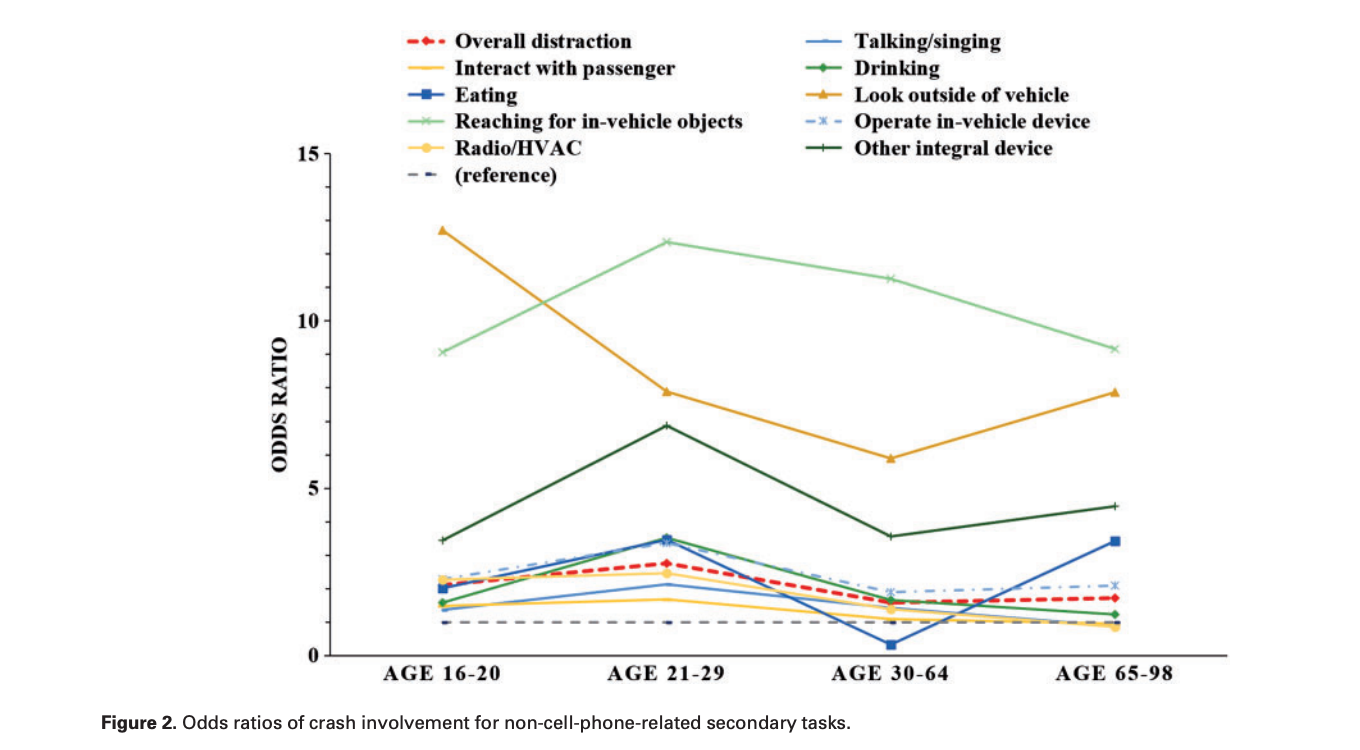
The chart below shows in-vehicle and secondary tasks that contribute to distraction; sources include NHTSA and ITSMR.
How Many People Are Killed or Injured by Distracted Driving?
In the United States, about nine people are killed every day in crashes reported to involve a distracted driver. In 2019, over 3,100 people were killed and about 424,000 were injured. About 1 in 5 of those who died were not in vehicles—they were walking, biking, or otherwise outside a vehicle. Sources: NHTSA 813 111, CDC.
- Underreporting: NHTSA’s 2019 Economic and Societal Impact report (813 403) suggests distracted-driving fatalities may be in excess of 10,000 per year, or about 29% of traffic fatalities (EndDD).
What Does Distracted Driving Cost the Economy?
According to NHTSA’s report (DOT HS 813 403), distracted driving crashes cost $98 billion in economic costs in 2019. Cambridge Mobile Telematics reported that increased phone distraction contributed to roughly 420,000 additional crashes, about 1,000 fatalities, and about $10 billion in economic damage in 2022 (EndDD, CMT).
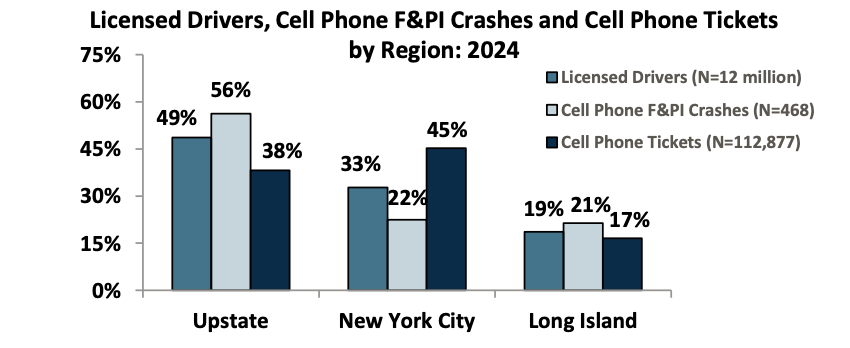
The graphic below draws from CDC, NHTSA, and ITSMR for national and New York–specific impact.
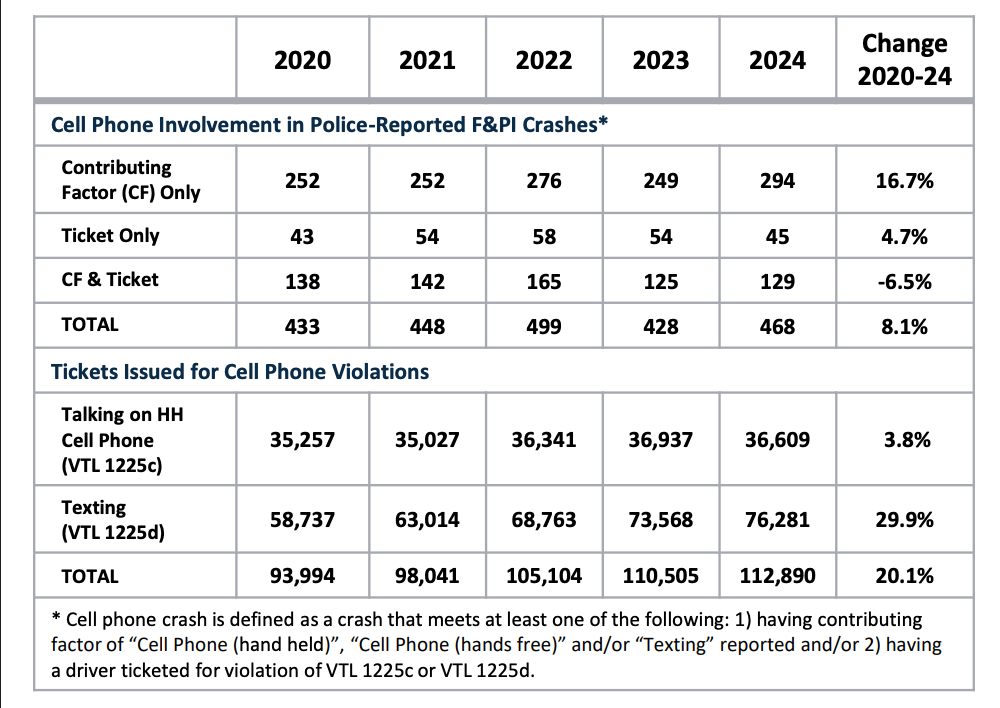
Reported numbers often underestimate the true toll. NHTSA’s report (813 403) (pages 128–141) suggests distracted-driving fatalities may exceed 10,000 per year; the EndDD project summarizes how underreporting affects public understanding.
Who Is Most at Risk for Distracted Driving?
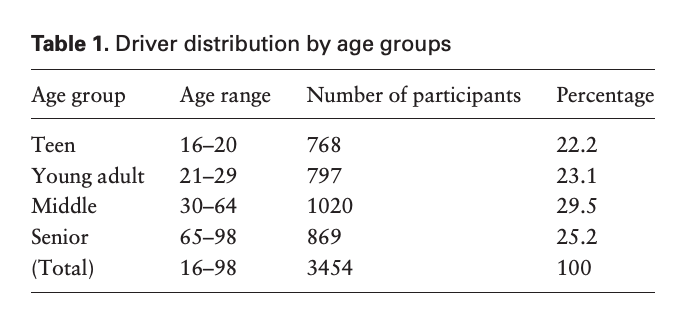
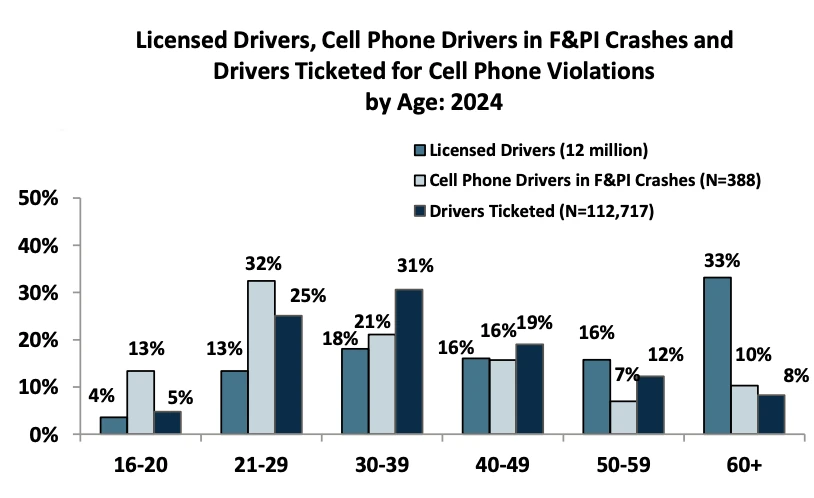
Young adult and teen drivers (ages 15–20) are at higher risk. Among fatal crashes involving distracted drivers in 2019, 9% of drivers 15–20 were distracted at the time of the crash. Source: CDC, NHTSA 813 111.
- Teen crashes: Fatal crash rate for teens is about 3× that of drivers 20+ (IIHS). Driver distraction is a factor in more than 58% of teen crashes (AAA Foundation).
- Parent influence: Teens whose parents drive distracted are 2–4× more likely to drive distracted (EndDD).
The CDC’s Youth Risk Behavior Survey found that 39% of high school students who drove in the past 30 days had texted or emailed while driving.
The CDC notes that teens whose parents drive distracted are two to four times more likely to drive distracted—behavior modeling matters.
How Dangerous Is Cell Phone Use and Texting While Driving?
Sending or reading a text takes your eyes off the road for about 5 seconds—the length of a football field at 55 mph. Source: NHTSA.
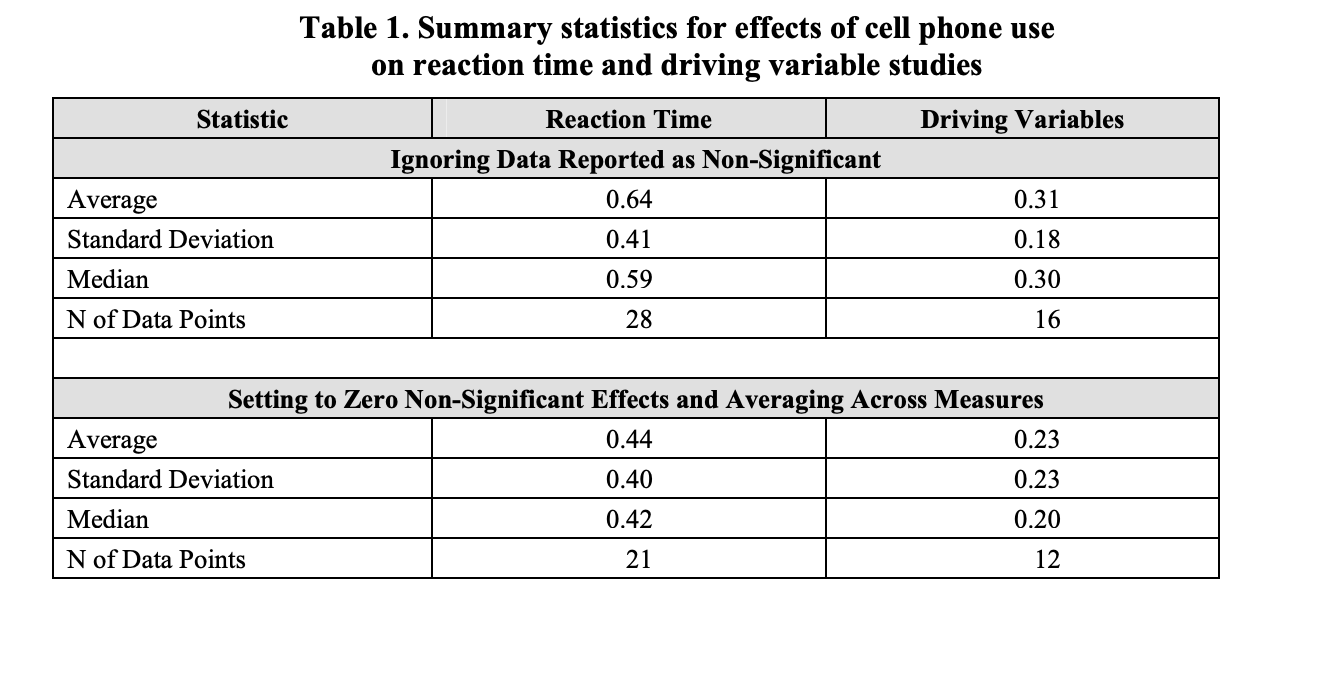
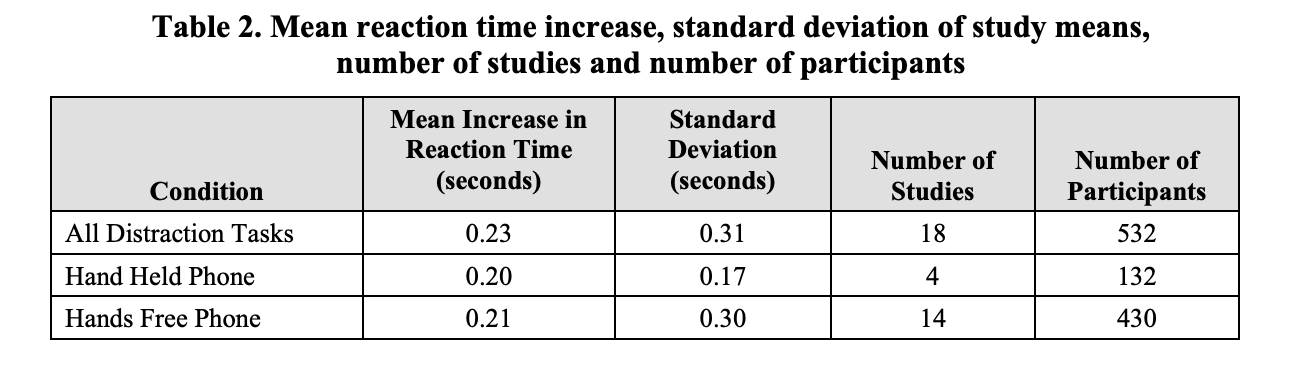
- Impairment: Drivers on cell phones are as impaired as at 0.08% BAC (University of Utah).
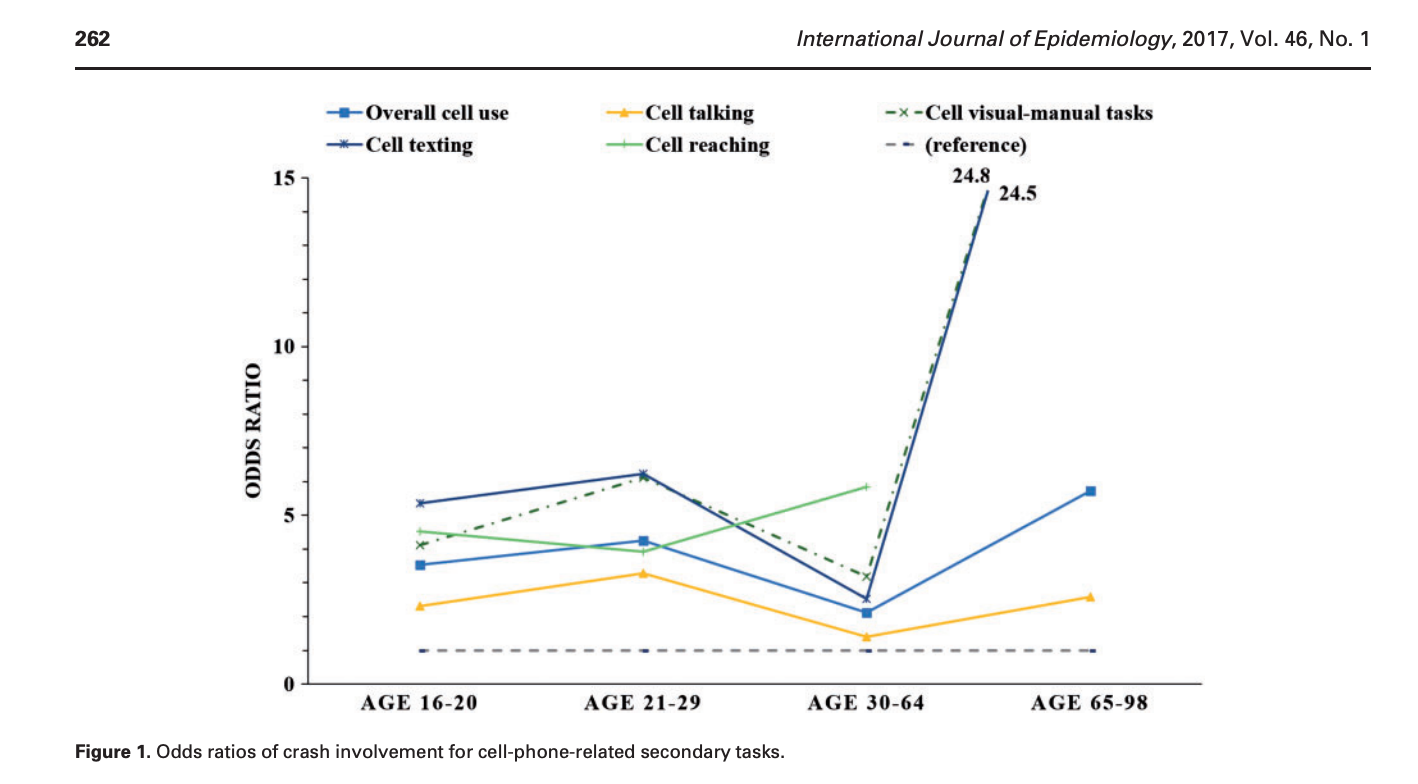
- Crash risk: Cell phone users are about 5.36× more likely to get into an accident; texting for commercial drivers increases crash/near-crash risk by 23× (VTTI, USDOT).
The chart above reflects NHTSA, University of Utah, and VTTI/USDOT research on impairment and crash risk.
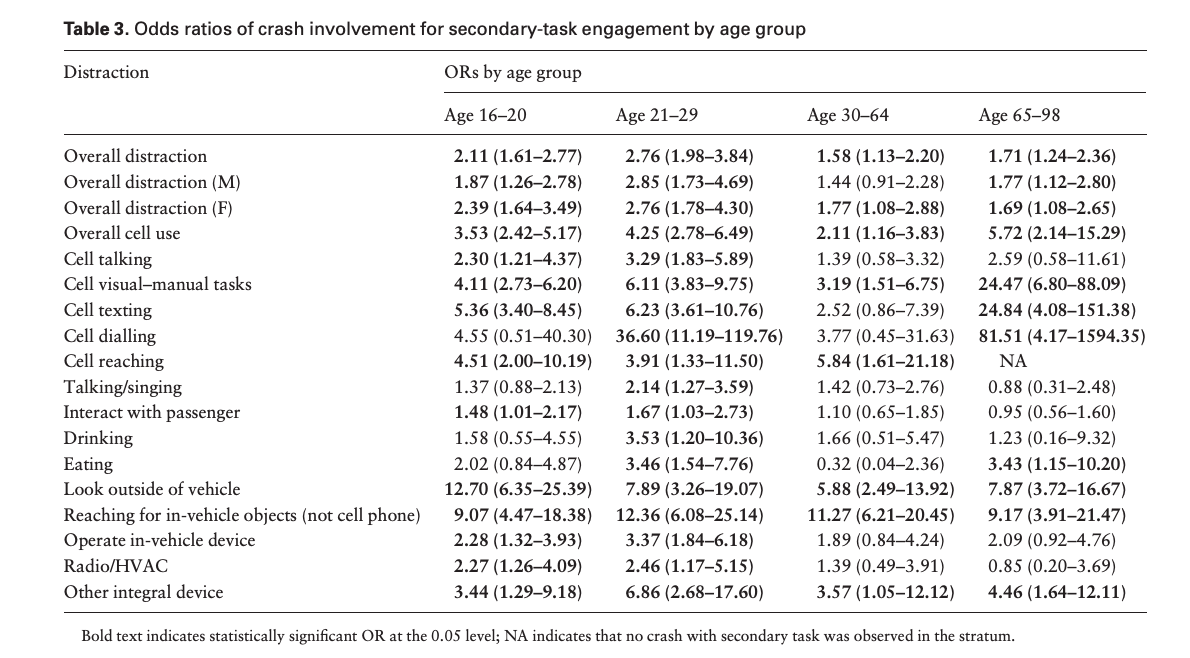
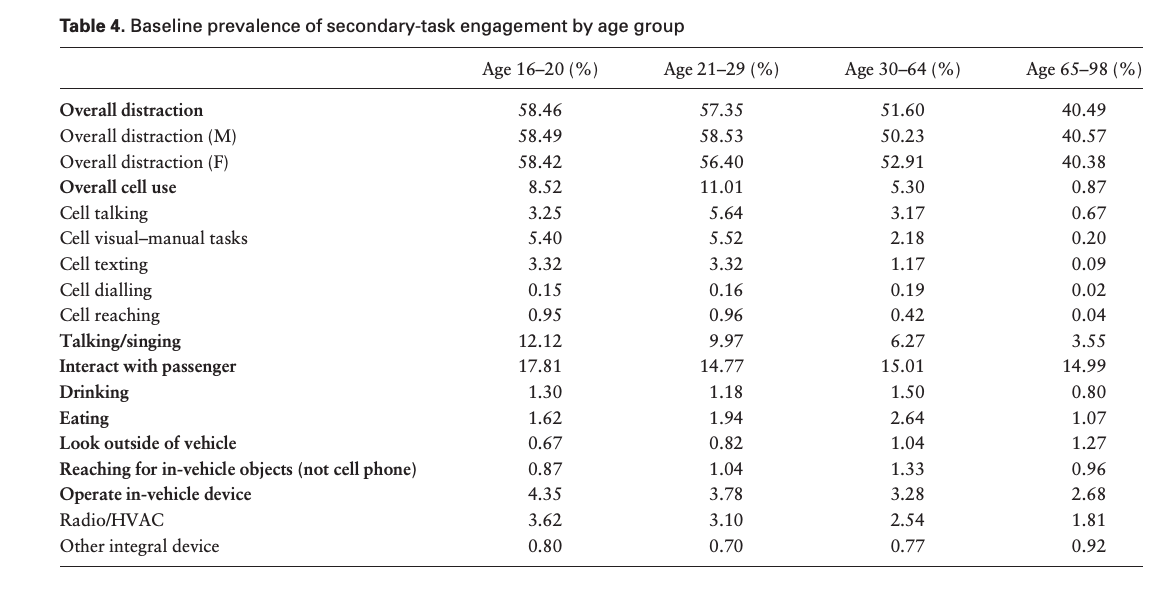
Odds ratios of crash involvement for secondary tasks (including non–cell-phone tasks) vary by age group. NHTSA research and related studies show how in-vehicle distractions increase risk across demographics. This type of data supports the case that any activity that diverts attention from driving—not only phone use—contributes to crashes.
What Is New York Doing About Distracted Driving?
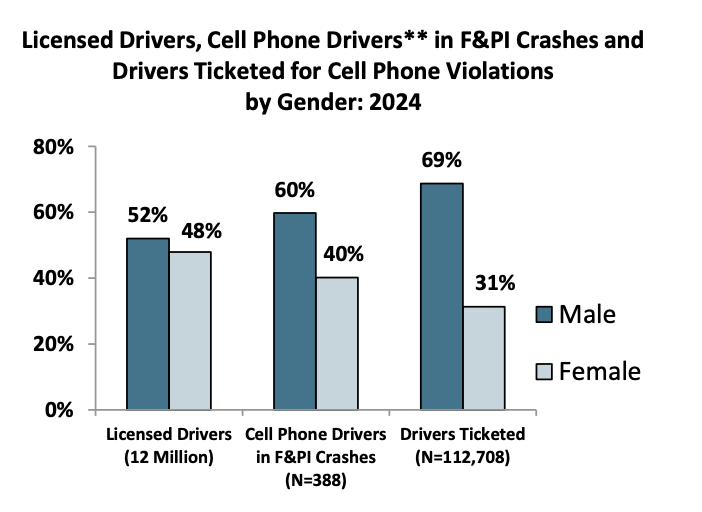
The Governor’s Traffic Safety Committee (GTSC) runs statewide enforcement (e.g., April Distracted Driving Awareness Month, “Operation Hang Up”). Penalties include fines, 5 points per offense, and surcharge (see penalty section below). During the 2023 campaign, law enforcement issued 2,612 distracted-driving tickets out of 70,263 total. ITSMR reports driver inattention/distraction was a factor in 116 fatal crashes in NY in 2023.
The graphic below summarizes NY DMV and GTSC enforcement campaigns and ITSMR crash data.
| Violation | Tickets |
|---|---|
| Distracted Driving | 2,612 |
| Impaired Driving | 1,249 |
| Speeding | 12,762 |
| Other | 50,959+ |
| Total | 70,263 |
Source: NY DMV / GTSC.
What Are the Penalties for a Cell Phone or Texting Ticket in New York?
VTL 1225(c) (mobile telephone) and VTL 1225(d) (portable electronic devices—texting, apps, GPS). See VTL 1225(c) cell phone tickets and VTL 1225(d).
- Fines: 1st $50–$150; 2nd in 18 mo $50–$200; 3rd in 18 mo $50–$450. All include $88 or $93 surcharge.
- DRA: 6+ points in 18 months = $300 + $75 per point over six.
- Junior drivers: 1st = 120-day suspension; 2nd within 6 mo of restoration = revocation ≥1 year.
- CDL: FMCSA penalty up to $5,833; 2nd in 3 years = 60-day disqualification; 3rd+ = 120-day.
Penalties are set by statute; the list above gives fines, points, surcharge, DRA, and rules for junior and CDL drivers. Source: NY DMV, VTL 1225(c) and (d).
What Can You Do to Prevent Distracted Driving?
Per CDC and NHTSA: Drivers—do not multitask; use apps to avoid phone use; pull over to text or keep phone in trunk. Passengers—speak up; help with navigation. Parents—use the CDC Parent-Teen Driving Agreement; know state laws; set an example.
The CDC, NHTSA, and EndDD all stress that distracted driving is preventable and recommend the steps above.
What Are States and the Federal Government Doing?
States have texting bans, hands-free laws, and GDL restrictions. High-visibility enforcement reduced handheld use—e.g. Syracuse, NY: 3.7% → 2.5%. Federal: FMCSA bans for commercial drivers; NHTSA “U Drive. U Text. U Pay.” campaign.
Knowing the law and the risks helps drivers make safer choices.
What You Need to Know
Four key takeaways about distracted driving and New York law.
What It Is
Any activity that diverts attention from driving. Texting is especially risky because it uses all three types of distraction.
Who’s at Risk
Teens and young adults (15–20) are distracted in a higher share of fatal crashes. Parents’ behavior matters.
NY Penalties
5 points per violation; fines and surcharge vary by offense. Junior and CDL drivers face additional consequences.
What You Can Do
Don’t multitask. Use hands-free or pull over. Passengers: speak up. Parents: set rules and model safe behavior.
Common Questions
How many points is a cell phone or texting ticket in New York?
A conviction for VTL 1225(c) or VTL 1225(d) carries 5 points per violation. Points count for 18 months; the conviction stays on your record until January 1 of the fourth year after the conviction. See NY DMV and our cell phone ticket page.
Is it legal to use hands-free or speakerphone in New York?
Yes. New York law allows the use of a hands-free mobile telephone while driving. If you are holding the phone to your ear or in your hand, you can be ticketed even if you are on speakerphone. CDL drivers have stricter rules (e.g., single-button to dial or answer).