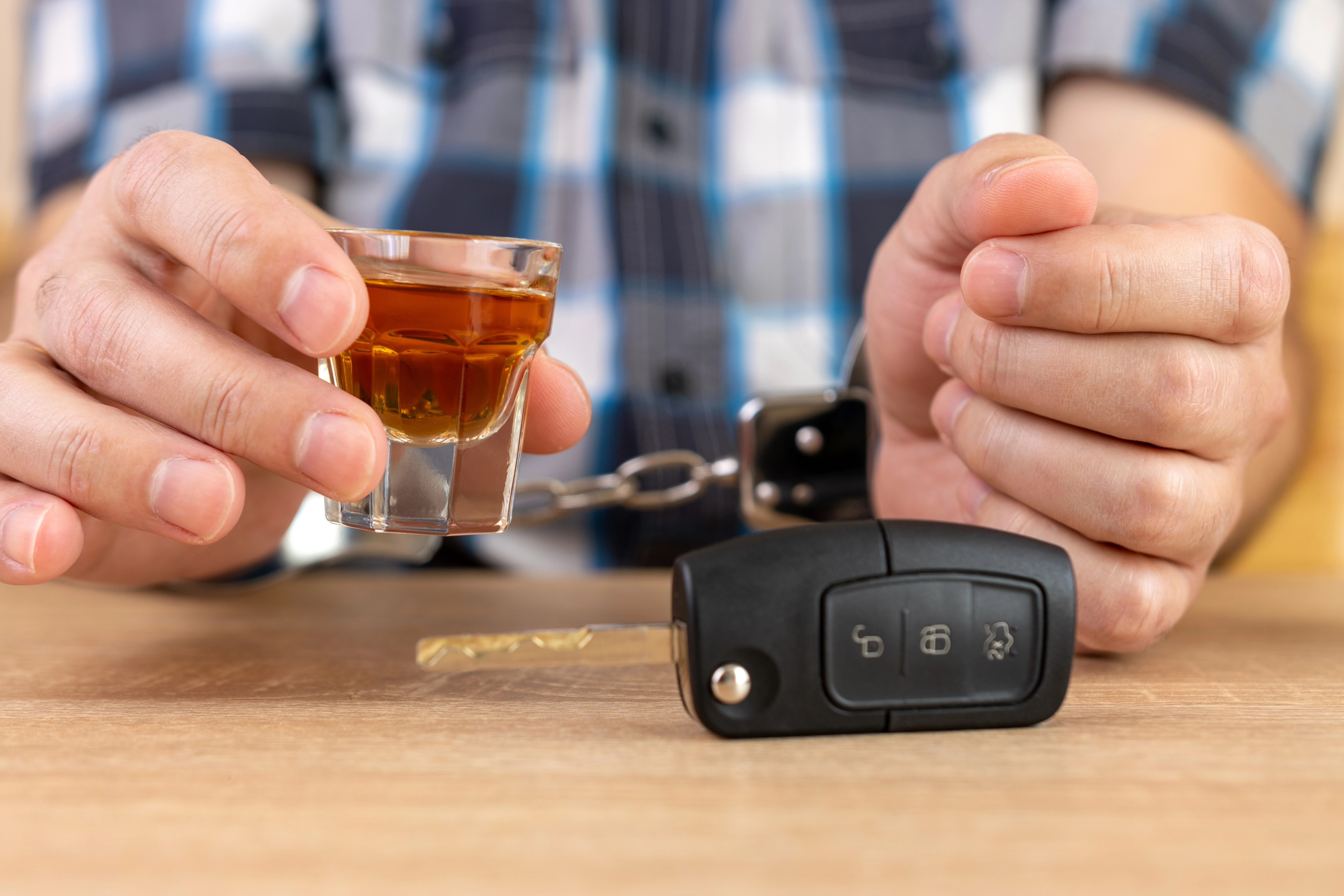
VTL 1192(3) – “Common Law Driving While Intoxicated.”
Vehicle & Traffic Law 1192(3) is commonly referred to as “Common Law Driving While Intoxicated.” This statute does not require proof that the blood alcohol concentration (BAC) of the motorist was .08% or higher. Rather it simply requires that the motorist’s driving abilities are impaired due to alcohol consumption. A conviction under this provision is treated as a serious offense in New York and carries significant legal consequences.
VTL § 1192(3) – Driving While Intoxicated (BAC .08 or Higher / Common Law DWI)
If you are charged with Driving While Intoxicated in New York, you will be prosecuted under Vehicle & Traffic Law § 1192(3). This statute applies when a motorist’s ability to operate a vehicle is substantially impaired by alcohol. A violation of this law is considered a criminal offense and carries serious penalties, including fines, license suspension, and the possibility of jail time.
- Fine: $500 to $1,000 (first offense)
- Surcharge: $395 or $400, depending on the court
- License: Revoked for at least 6 months (first offense)
- Possible Jail: Up to 1 year (misdemeanor)
Statute
The exact wording of the relevant sub-statute is:
§ 1192. Operating a motor vehicle while under the influence of alcohol or drugs. 1. Driving while ability impaired. No person shall operate a motor vehicle while the person's ability to operate such motor vehicle is impaired by the consumption of alcohol.
3. Driving while intoxicated. No person shall operate a motor vehicle while in an intoxicated condition.
Understanding VTL § 1192 (3)
VTL § 1192(3) is a provision of New York’s Vehicle and Traffic Law commonly known as Driving While Intoxicated, or “common law DWI.” Unlike the “per se DWI” offense under § 1192(2), which relies on a blood alcohol concentration of .08% or higher, subdivision (3) applies when a motorist operates a vehicle in an intoxicated condition, even without chemical test evidence. In many instances, motorists are charged with both 1192(2) and 1192(3).
This statute is treated as a criminal offense, not a mere traffic infraction, and carries serious consequences. A conviction will result in steep fines, license revocation, a permanent criminal record, and possible jail time. The legislature included this section to give prosecutors the ability to pursue DWI cases based on observed impairment and officer testimony, ensuring that impaired drivers are held accountable even when no BAC test is available or the motorist refuses to take the test.
Many motorists may not realize that a DWI charge under VTL § 1192(3) can apply even without a chemical test result showing a specific blood alcohol concentration. This statute allows prosecutors to pursue charges based solely on observed impairment, such as erratic driving, failed field sobriety tests, or officer testimony. Even first-time offenders are treated seriously under this law. If you are found operating a motor vehicle in an intoxicated condition, you may be charged under VTL § 1192(3).
How to Fight a DWI in NY (VTL § 1192(3))
Being charged under New York’s DWI statute is a serious matter, but motorists should remember they have the right to contest the charge. Entering a Not Guilty plea is not a statement of innocence or an admission of guilt; it is the legal step that compels the prosecution to prove its case beyond a reasonable doubt. By exercising this right, the evidence, police procedures, and circumstances of the arrest can be carefully reviewed in court.
Because this offense is treated as a criminal matter, prosecutors and judges will approach the case with seriousness. However, the legal process often leaves room for negotiation, and the outcome may depend heavily on the details of the arrest. Factors such as the reliability of field sobriety tests, the lawfulness of the traffic stop, or whether police procedures were properly followed can all influence whether charges are reduced, challenged, or even dismissed.
Legal Representation for Common Law DWI
The Benjamin Goldman Law Office provides legal representation for motorists charged under VTL § 1192(3). Legal counsel can review the details of your arrest, challenge the basis of the stop or the officer’s observations, and identify possible defenses. An attorney can also negotiate with prosecutors to seek a reduction in charges or a more favorable outcome. Our law firm focuses on traffic and vehicle-related violations across the state, including DWI cases under VTL 1192(3). Our attorneys have substantial experience with this particular violation and will be glad to take on your case. Contact us at your convenience to discuss in detail. Consultations are always free.
CALL NOWOther Traffic Violations We Handle
Community Discussion
Questions? Thoughts? Let us know down below!
If you were injured in an accident involving a DWI, you can contact the Sternberg Injury Law Firm and they can advise you of your options
Disclaimer: All the content of this website has been prepared by Benjamin Goldman Law Office PC for informational purposes only and does not constitute legal advice. The information on this website shall not be construed as an offer to represent you, nor is it intended to create, nor shall the receipt of such information constitute, an attorney-client relationship. Our hope is that you will find the information useful and informative, and we would be happy to communicate with you and answer any questions you may have about our legal services. Readers should not act upon the information on this website, or decide not to act based upon the information on this website, without first seeking appropriate professional counsel from an attorney licensed in the home state of the drivers license of the person who received the relevant traffic citation.