Vehicle & Traffic Law § 375(2)(b) — Dazzling Lights / Glare
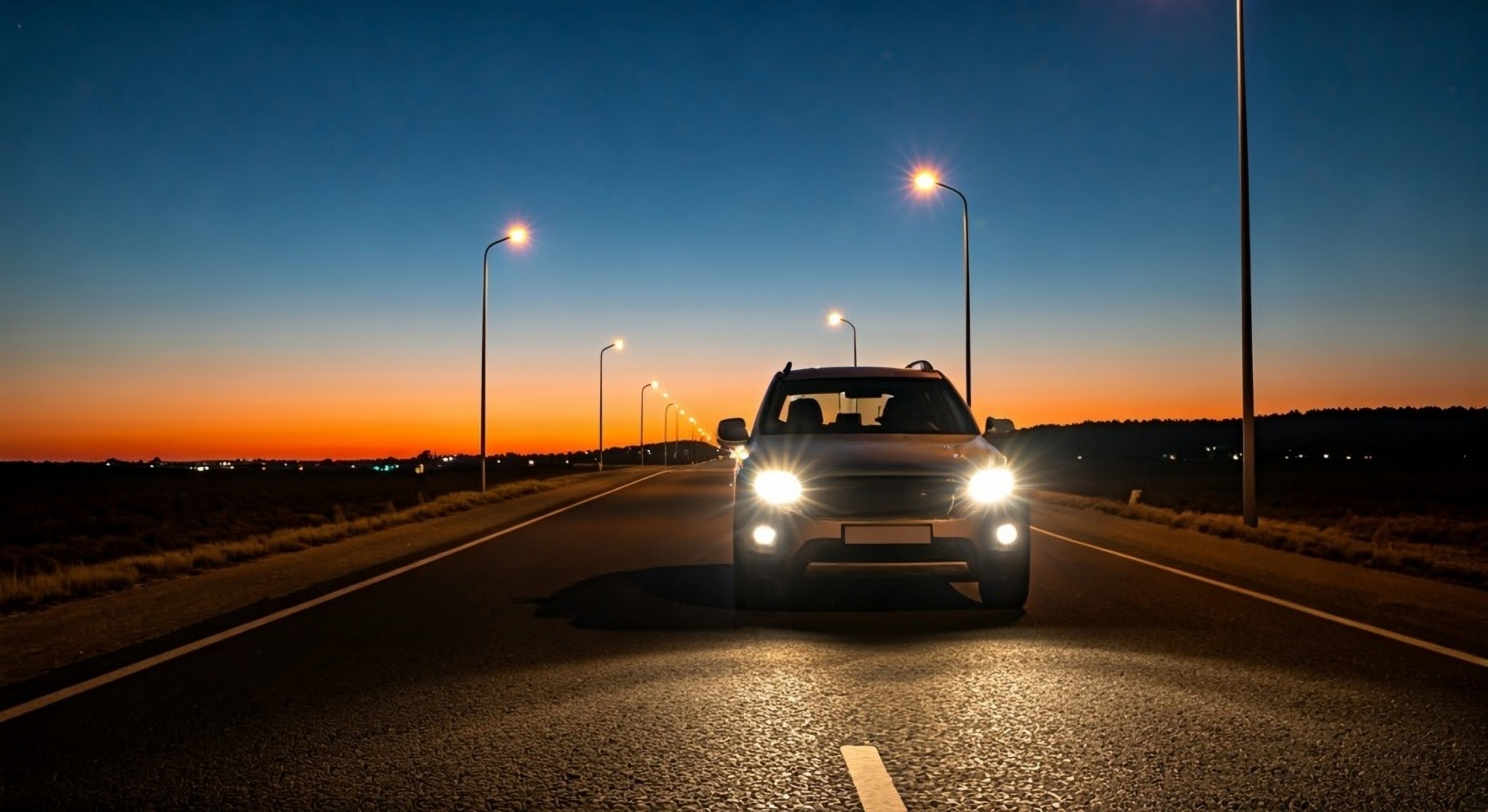
A VTL 375(2)(b) ticket, commonly called a "dazzling lights" ticket, is typically written during a traffic stop when an officer decides a vehicle's headlights are blinding oncoming drivers. It is most often seen on vehicles with aftermarket LED or HID bulbs, lifted trucks, or heavily loaded cars whose headlights tilt upward.
How Much Is a VTL 375(2)(b) Dazzling Lights Ticket in NY?
A first-offense VTL 375(2)(b) dazzling lights conviction in New York carries a fine of up to $150, up to 30 days in jail, and 0 DMV points. A mandatory surcharge of $88 applies in city courts and $93 in town and village courts. Because the violation carries no points, it is considered a non-moving/equipment-type violation and should not cause an insurance increase.
- Fine and surcharge: The first-offense fine is $0–$150, plus a mandatory $88 (city courts) or $93 (justice courts) surcharge.
- Jail: Up to 30 days in jail (jail is rare in practice for equipment violations).
- Points: VTL 375(2)(b) is a 0-point equipment violation.
- Insurance impact: Because no points are assessed, a dazzling-lights ticket has no impact on insurance rates.
Statute
The language of VTL § 375(2)(b) reads:
All lamps used on a motor vehicle except a motorcycle shall be so arranged, adjusted and operated, as to avoid dangerous glare or dazzle. Except as provided in paragraph (d) of this subdivision, the upper outline of any beam of dazzling light projected to the left of the longitudinal axis of the vehicle by the lowermost light distribution of a headlamp designed to produce more than one light distribution, or by the single light distribution of any other lamp used on such a motor vehicle, shall not rise higher than the lamp center at a distance of twenty-five feet nor higher than forty-two inches at a distance of seventy-five feet. In each case, the height of the beam shall be measured from the plane upon which the vehicle stands and the distance shall be measured from the lamp projecting the light.
Disputing a 375(2)(b) Ticket
A motorist charged under VTL 375(2)(b) is accused of operating a vehicle whose lamps are not "arranged, adjusted and operated" so as to avoid dangerous glare or dazzle.
The statute is more specific than it first appears. It sets an objective geometric limit on the "upper outline" of the low-beam light distribution projected to the left of the vehicle's longitudinal (in simpler terms, horizontal) axis: the beam may not rise higher than the lamp center at 25 feet, and may not exceed 42 inches at 75 feet, both measured from the ground plane.
Compare VTL 375(2)(b) to the related offense of failure to dim headlights (VTL 375-3). A 375-3 ticket is for leaving high beams on when approaching or following another vehicle and carries DMV points; a 375(2)(b) ticket is for the lamps themselves producing dangerous glare or dazzle and carries no points.
Common defenses include: the lamps as installed were DOT/SAE compliant and properly aimed; the officer did not measure the beam height or direction; the "glare" was caused by road crown, weather, or the oncoming driver's own mirror settings; or the vehicle was equipped from the factory with the exact light assembly cited. An experienced traffic lawyer can often appear in your place and negotiate a reduction or outright dismissal.
Benjamin Goldman Law Office
The Benjamin Goldman Law Office is a New York State Traffic Ticket defense firm. We operate across the entire New York State and have seen much success fighting tickets. If this is the only ticket you received, then it is probably not worth retaining a law firm. If you received this ticket along with other tickets, then this ticket should be disputed along with the other tickets. Pleading guilty to one ticket while disputing other tickets is not a good tactic.
The Benjamin Goldman Law Office can help. Our firm is eager to help motorists get dismissals or reductions of their traffic tickets. If you received a VTL 375(2)(b) "dazzling lights" ticket along with other tickets, we will typically fight this charge at no additional legal fee. Feel free to get in touch with information about your case and we will let you know what we can do for you; consultations are free.
CALL NOWOther Traffic Violations We Handle
If you suffered an injury in a crash caused by another driver's dangerous glare, you can contact the Sternberg Injury Law Firm to discuss your case in detail.
Disclaimer: All the content of this website has been prepared by Benjamin Goldman Law Office PC for informational purposes only and does not constitute legal advice. The information on this website shall not be construed as an offer to represent you, nor is it intended to create, nor shall the receipt of such information constitute, an attorney-client relationship. Our hope is that you will find the information useful and informative, and we would be happy to communicate with you and answer any questions you may have about our legal services. Readers should not act upon the information on this website, or decide not to act based upon the information on this website, without first seeking appropriate professional counsel from an attorney licensed in the home state of the drivers license of the person who received the relevant traffic citation.