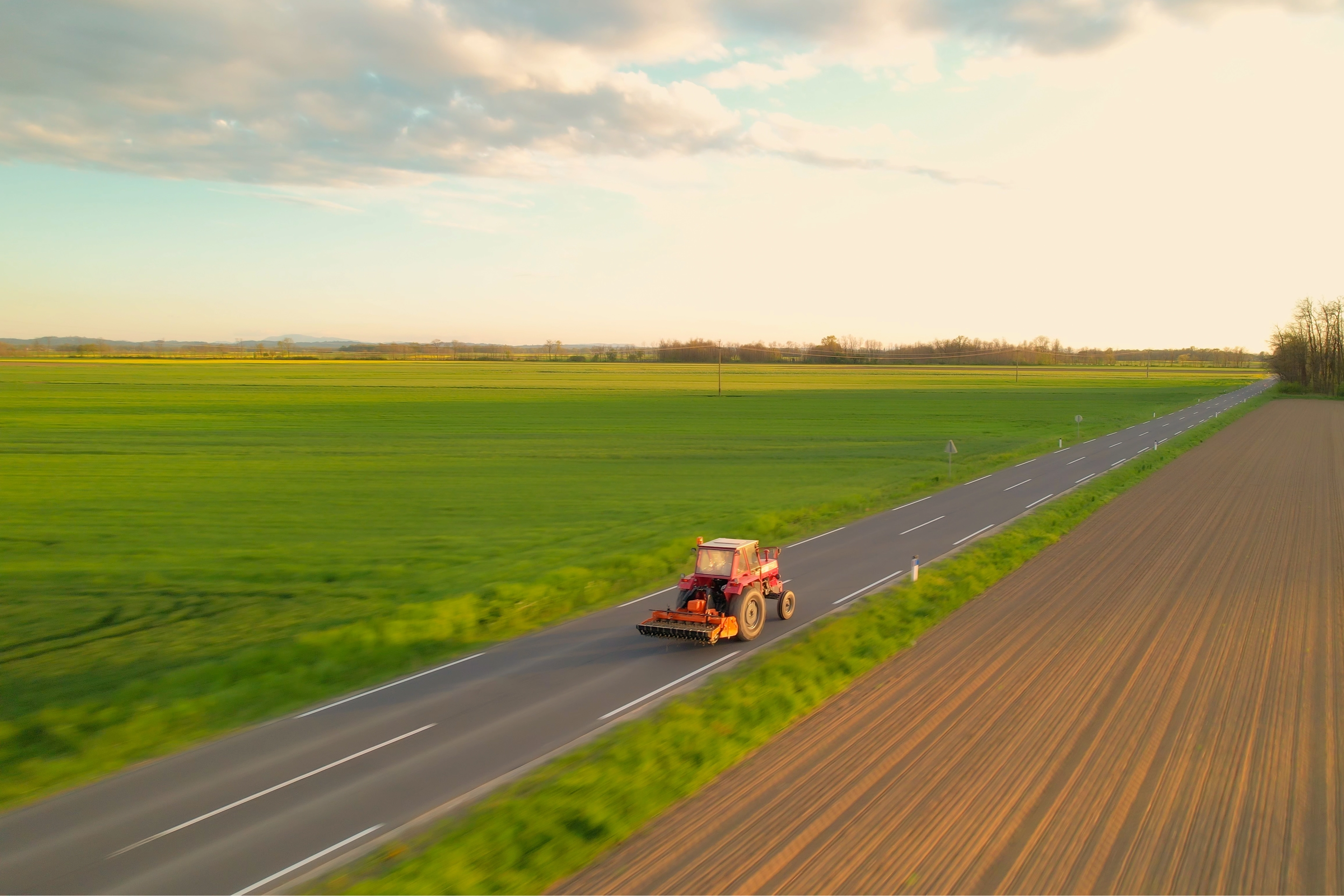
VTL 385-1(c) – Overwidth Farm Equipment (12 to 17 Feet)
Vehicle & Traffic Law (“VTL”) § 385(1)(c) is a statute relating to the allowable length of farm vehicles. New York State allows farm vehicles between 12 and 17 feet wide on most roads; this privilege comes with strict safety requirements, including warning flags, lights, and sometimes escort vehicles. Failure to comply can lead to fines and potential liability issues.
Penalties for VTL 385-1(c) Violations
Tickets for violating the restrictions on 12-to-17-foot farm vehicles carry the same fine schedule as other VTL 385 violations.
- First offense: Fine between $200 and $500; up to 30 days in jail; surcharge $88 (city courts) / $93 (town & village courts).
- Second offense (within 18 months): Fine between $500 and $1,000; up to 60 days in jail; surcharge $88 / $93.
Beyond the statutory fine, convictions for equipment violations can impact a farm's insurance rates and commercial operating record. In accidents involving wide loads, a violation of these safety rules can be used as evidence of negligence.
Statute & Requirements
The relevant section of the Vehicle and Traffic Law (VTL § 385(1)(c)) extends the exemption for farm vehicles up to 17 feet in width, but only if specific conditions are met:
§ 385. Dimensions and weights of vehicles.
1. (c) The provisions of paragraph (a)... shall not apply to... vehicles and implements... used solely for farm purposes... between twelve and seventeen feet in width, provided:
(i) The vehicle is equipped with warning flags and/or lights to warn other drivers;
(ii) The vehicle is not operated on any highway during the period from one-half hour after sunset to one-half hour before sunrise;
(iii) If the vehicle is wider than the travel lane, it must be preceded by an escort vehicle displaying warning signs and flashing lights;
(iv) The vehicle does not impede traffic for unreasonable periods.
What This Means for Drivers: If your tractor or combine is over 12 feet but under 17 feet wide, you must have proper signage and flags. Crucially, if the equipment extends into the oncoming lane or is wider than the lane it occupies, you need an escort vehicle. Operating at night is strictly prohibited.
Fighting a VTL 385-1(c) Ticket
We defend against these charges by examining the specific circumstances of the stop.
Common defense strategies:
- Escort Vehicle Necessity: Arguing that the lane width was sufficient to contain the vehicle, making an escort vehicle technically unnecessary at that specific location.
- Equipment Compliance: Providing proof that flags, lights, and signs were present and compliant with regulations.
- Measurement Accuracy: Challenging the precise width measurement if it falls borderline between the 12-foot (no escort) and 12+ foot categories.
- "Farm Use" Verification: Ensuring the court recognizes the vehicle as legitimate agricultural equipment entitled to the exemption.
Benjamin Goldman Law Office – Law Firm for VTL 385-1(c) Tickets
The attorneys at the Benjamin Goldman Law Office are able to assist farmers and agricultural operators in fighting such tickets. Our firm recognizes the importance of helping New York's farming community maintain their operations without the burden of excessive legal penalties. If you have been cited for an overwidth farm vehicle, you can reach out to our law firm. A member of our team will be glad to review your ticket and any other documentation. We will then advise on the consequences of being found guilty, pleading guilty, or pleading not guilty. As part of the consultation, we will also let you know the flat fee to obtain our legal services. Please note that we expect our attorney to be able to go to court in your place to fully handle this legal matter.
CALL NOWOther Traffic Violations We Handle
Community Discussion
Questions? Thoughts? Let us know down below!
If you were involved in an accident involving oversized machinery, contact Sternberg Injury Law Firm to discuss your case.
Disclaimer: All the content of this website has been prepared by Benjamin Goldman Law Office PC for informational purposes only and does not constitute legal advice. Viewing this site does not create an attorney–client relationship. Readers should not act or refrain from acting based on this information without seeking professional counsel from an attorney licensed in the state where the citation was issued.