VTL 385-9 – Overload on Consecutive Axles (Greater Than 36,000 lbs)
The Benjamin Goldman Law Office can assist motorists and commercial drivers cited under VTL § 385(9), Overload on Consecutive Axles (Greater Than 36,000 lbs). New York State maintains strict weight limits on consecutive axles (tandem axles) to protect road infrastructure and ensure safety. Operating a vehicle where the combined weight on consecutive axles exceeds the maximum limit of 36,000 pounds can lead to significant fines, potential liability for road damage, and possible loss of commercial driving privileges. We can help with these tickets statewide.
Penalties for VTL 385-9 Overload on Consecutive Axles (Greater Than 36,000 lbs)
Violations of VTL § 385(9) are typically handled as traffic infractions. The fines are substantial compared to standard traffic tickets, and the consequences can be severe, especially if the vehicle causes damage to road surfaces or bridges.
- First offense: Fine between $200 and $500; up to 30 days jail; surcharge $88 (other courts) / $93 (town & village).
- Second offense (within 18 months): Fine between $500 and $1,000; up to 60 days jail; surcharge $88 / $93.
While "overload on consecutive axles" violations do not carry driver violation points, they can impact a Commercial Driver's License (CDL) holder's employment record and CSA scores for carriers. Courts also have discretion to impose the higher end of the fine range, especially for egregious violations or when damage to infrastructure occurs. For other weight violations, such as VTL 385-7 Overload on Wheels or VTL 385-8 Overload on Axle (Owner Responsible), penalties can also be severe.
Statute
The relevant section of the Vehicle and Traffic Law states:
§ 385. Dimensions and weights of vehicles.
9. No vehicle or combination of vehicles shall be operated or moved over any highway if the weight on any consecutive axles exceeds thirty-six thousand pounds.
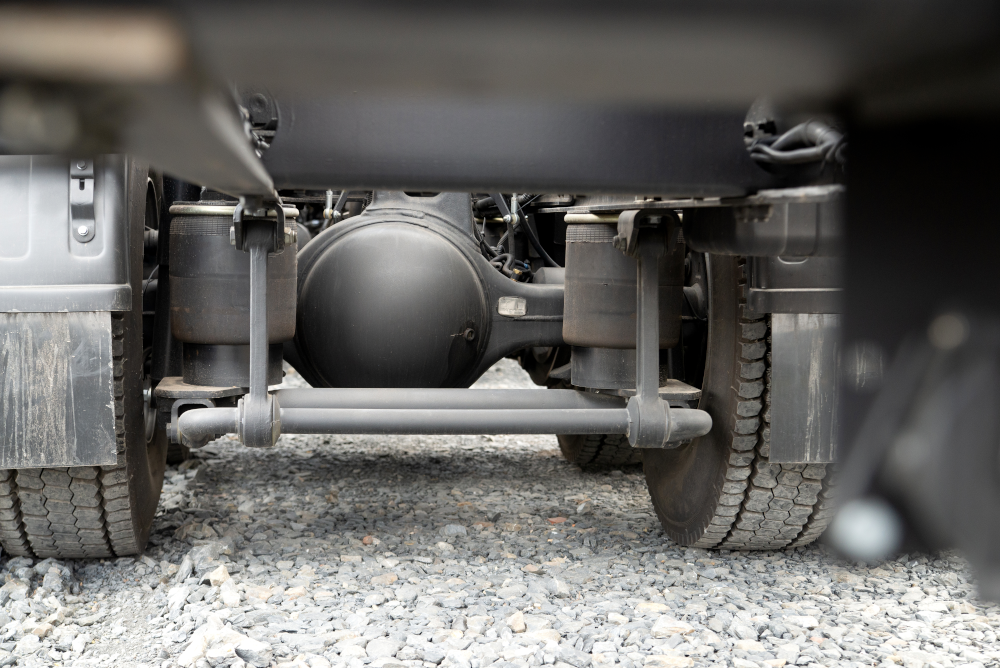
What This Means for Drivers: In simple terms, the maximum combined weight allowed on any consecutive axles (tandem axles) is 36,000 pounds. Consecutive axles are typically two or more axles that are spaced closely together, such as tandem axles on a trailer. This limit applies to all vehicles on New York State highways and roads. Exceeding this limit can cause significant damage to road surfaces and bridges, which is why these violations are taken seriously. If you need to exceed these limits, you generally need a Special Hauling Permit. These weight limits are separate from and in addition to overall gross vehicle weight limits and single axle weight limits.
How to Fight a VTL § 385(9) Ticket
Fighting an overload on consecutive axles ticket involves examining the specifics of the stop, the weighing method, calibration of scales, and the vehicle's axle configuration. This is especially important for commercial drivers where license status and potential liability for road damage are at stake.
Common defense angles include:
- Scale Calibration: Was the scale properly calibrated and certified? Were calibration records available and current? Scale accuracy is critical for consecutive axle weight measurements, and improperly calibrated scales can produce incorrect readings.
- Weighing Procedure: Was the vehicle weighed correctly? For consecutive axle weights, the vehicle must be positioned properly on the scale, and all axles in the consecutive group must be on the scale platform simultaneously. Improper positioning can result in inaccurate measurements.
- Axle Configuration: Were the axles properly identified as consecutive axles? The spacing between axles and the definition of "consecutive" may be relevant. Was the axle group correctly identified?
- Permits: Did the driver have a valid Special Hauling Permit that allowed for the excess consecutive axle weight? Was there a misunderstanding of the permit's conditions or weight allowances?
- Load Distribution: Did the load shift during transportation, causing a temporary weight increase on consecutive axles that wasn't present at the start of the trip? Can you demonstrate that the vehicle was within legal weight limits when initially loaded?
- Vehicle Condition: Were there mechanical issues (such as suspension problems) that caused uneven weight distribution that wasn't the driver's fault? Can you demonstrate that the vehicle was properly maintained and loaded?
- Measurement Error: Was there a mathematical error in calculating the combined weight? For consecutive axles, was the total weight properly measured and compared to the 36,000-pound limit?
Why These Tickets Are Common: Commercial drivers often face these tickets at weigh stations, U.S. Department of Transportation (DOT) checkpoints, or during routine traffic stops. Officers and DOT inspectors are particularly vigilant about consecutive axle weights because overloaded consecutive axles can cause significant damage to road surfaces, bridges, and infrastructure. Excessive weight on consecutive axles can lead to premature road deterioration, bridge damage, and safety hazards. These violations are common because load distribution across multiple axles can be challenging, especially with irregularly shaped cargo or when multiple axle groups are involved.
The Benjamin Goldman Law Office can assist with VTL § 385 violations statewide, including overload on consecutive axles cases that involve road damage or permit issues. We can help protect your license, minimize liability, and preserve your company's bottom line. Contact us at your convenience, via phone call, email, or text message. We will be glad to review your case for free.
CALL NOWOther Traffic Violations We Handle
Community Discussion
Questions? Thoughts? Let us know down below!
If you were involved in an accident due to an overloaded vehicle, contact Sternberg Injury Law Firm to discuss your case.
Disclaimer: All the content of this website has been prepared by Benjamin Goldman Law Office PC for informational purposes only and does not constitute legal advice. Viewing this site does not create an attorney–client relationship. Readers should not act or refrain from acting based on this information without seeking professional counsel from an attorney licensed in the state where the citation was issued.